


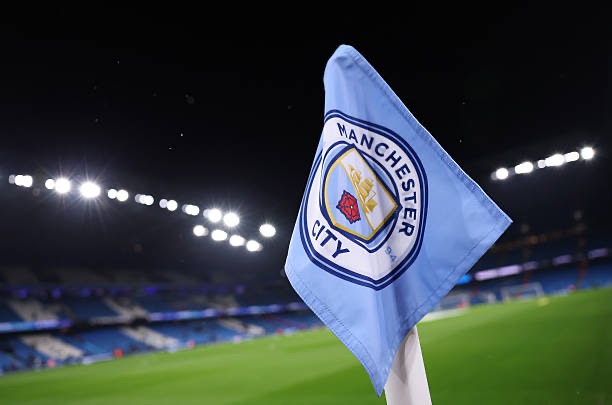

Manchester City’s long-running Premier League financial case has taken another significant turn, with reports that a major financing deal involving the club’s parent company has been abandoned and Premier League clubs voting to strengthen legal protection for senior league officials.
Reuters reported on Thursday, 19 November, citing the Financial Times, that Apollo Global Management has scrapped a planned $2 billion loan to City Football Group. Reuters said it could not independently verify the FT’s report. The development comes after an independent Premier League commission found Manchester City guilty of serious financial-rule breaches in September.
Apollo reportedly abandons planned $2bn City Football Group loan
The proposed financing was understood to involve City Football Group, the parent company of Manchester City. The Financial Times report said the deal was abandoned following the independent commission’s findings, which concluded that Manchester City had artificially inflated its financial position by more than £900 million over the period under investigation.
It is important to distinguish the reported financing decision from a direct sanction against Manchester City. The proposed loan concerned the wider City Football Group, and neither Apollo nor City Football Group has publicly confirmed the details of the reported decision in the coverage available. Reuters explicitly noted that it could not independently verify the Financial Times account.
Premier League clubs vote to strengthen legal protection for directors

In a separate development, The Guardian reported on 19 November that Premier League clubs voted 18–2 in favour of expanding legal indemnity for league directors, including chief executive Richard Masters and other officials. Manchester City and Nottingham Forest were reported to be the two clubs voting against the proposal.
The vote follows concerns about potential legal action arising from the disciplinary process. The Guardian reported that City-linked sponsors have considered legal remedies after the commission’s findings, while Etisalat has described those findings as false and defamatory and said it was considering its options. The precise scope of the new indemnity arrangements and who would ultimately meet any associated costs were not clarified in the report.
What did the independent commission find?
The Premier League’s official statement of 29 September confirmed that an independent commission found Manchester City guilty of all charges relating to serious breaches of the League’s financial rules over a nine-season period, as well as the majority of charges concerning failure to co-operate with the investigation.
The commission found that arrangements with commercial partners had been used to misrepresent sponsorship income and reduce reported costs, artificially improving the club’s financial position by more than £900 million between 2009/10 and 2017/18. The findings also concerned inaccurate financial reporting and breaches of duties to co-operate with the Premier League’s investigation.
Manchester City denies wrongdoing and has appealed the commission’s decision. The club’s appeal means the findings remain subject to the next stage of the disciplinary process; no final sanction has yet been announced.
When could Manchester City learn their punishment?
The Financial Times reported on 13 November that City’s appeal is expected to be heard in December, with a decision from the appeal board anticipated in the new year. If the appeal does not overturn the findings, a separate process will still be required to determine any sanction.
Possible penalties under the Premier League rules include a fine or points deduction, while the rules also provide for more serious measures. However, no punishment should be treated as inevitable or confirmed while the appeal and sanction processes remain unresolved.
Why the case matters to Tottenham and the Premier League
For Tottenham supporters, the case matters beyond the immediate question of Manchester City’s possible punishment. It concerns the enforcement of financial regulations, the independence of the Premier League’s disciplinary process and whether clubs are competing under rules that are applied consistently.
There has been no announcement that Tottenham have brought a compensation claim or taken a specific legal step in response to the findings. Any suggestion that Spurs will automatically receive compensation, points or another sporting benefit would therefore be premature. The wider outcome could nevertheless have implications for the League and its member clubs.
With City’s appeal expected to move forward in December and the separate question of sanctions still unresolved, the case is likely to remain one of the most consequential stories in English football. Spurs supporters will be watching to see whether the process ultimately delivers clarity over financial regulation and competitive fairness in the Premier League.